B.Tech in Aeronautical Engineering
November 25, 2024 2026-07-30 11:15B.Tech in Aeronautical Engineering
B.Tech in Aeronautical Engineering
B.Tech in Aeronautical Engineering Course Details
Overview of Aeronautical Engineering
Aeronautical Engineering is a specialized branch of engineering that focuses on the design, development, and maintenance of aircraft and spacecraft. It encompasses a wide range of topics, including aerodynamics, propulsion, avionics, materials science, and structural analysis. Aeronautical engineering is a subset of aerospace engineering that focuses specifically on the design, development, and maintenance of aircraft within Earth's atmosphere. Aerospace engineering, on the other hand, is a broader field that includes both aeronautical engineering and astronautical engineering, which deals with spacecraft and space exploration. While aeronautical engineers work primarily on airplanes, helicopters, and other atmospheric vehicles, aerospace engineers may also work on rockets, satellites, and space missions, encompassing a wider range of aerospace technologies.
Aeronautical Engineering Course Details
Eligibility Criteria:
Educational Qualifications:
- Candidates must have completed their 10+2 education with Physics, Chemistry, and Mathematics.
- Minimum percentage requirements vary by institution but typically range from 50% to 60% in aggregate.
-
- Candidates must have completed their 10+2 education with Physics, Chemistry, and Mathematics.
- or 3 Years Polytechnic in any engineering stream.
- Direct Admission available through management quota In Alpine Group of Institutions.
Tips for Admission Success
- Documentation: Ensure all documents are ready and meet the institution’s requirements.
- Interviews: Be prepared for possible interviews or group discussions.
Course Structure:
Duration:
Typically 4 years, divided into 8 semesters.
Subjects:
Core Subjects:
Aerodynamics, Aircraft Structures, Propulsion, Flight Mechanics, Control Systems, Avionics.
Electives:
Advanced topics in aerospace, robotics, materials science, etc.
Practical Training:
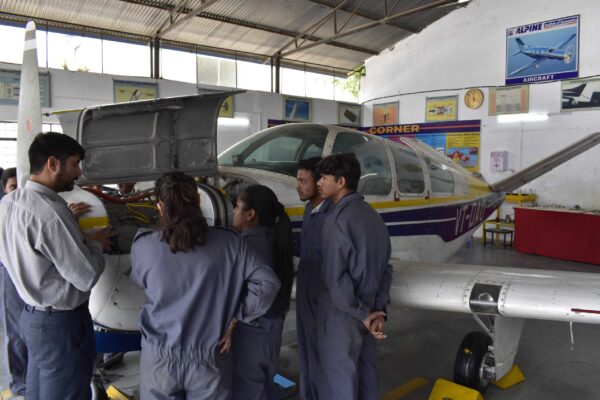
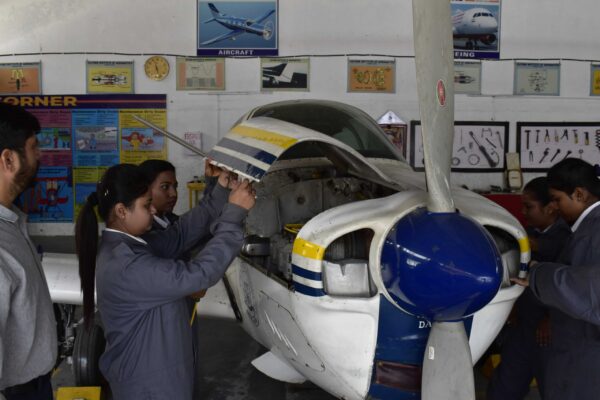
Labs and workshops focusing on hands-on skills.
Projects:
Involvement in real-time projects and internships to gain practical experience.
Career Opportunities
Aerospace Industry:
Employment in aircraft manufacturing companies (Boeing, Airbus, HAL).
Defense:
Opportunities in defense research organizations (DRDO, ISRO).
Research and Development:
Work in R&D sectors of various aerospace companies or academic institutions.
Government Jobs:
Civil Aviation Department, Air Force, and other government agencies.
Higher Studies:
Pursue M.Tech, MBA, or Ph.D. for advanced roles or research positions.
Skills Required
Technical Skills:
Proficiency in mathematics and physics, understanding of engineering principles.
Analytical Skills:
Ability to analyze data and solve complex problems.
Salary Expectations After Aeronautical Engineering
Job Title | Salary Range (INR) |
Aeronautical Engineer (Entry-Level) | ₹4,980,000 – ₹6,640,000 |
Aeronautical Engineer (Mid-Level) | ₹6,640,000 – ₹8,300,000 |
Senior Aeronautical Engineer | ₹8,300,000 – ₹12,450,000 |
Aerospace Systems Engineer | ₹7,470,000 – ₹10,790,000 |
Aerospace Design Engineer | ₹6,640,000 – ₹9,960,000 |
Aerospace Manufacturing Engineer | ₹5,810,000 – ₹8,300,000 |
Aerospace Project Manager | ₹7,470,000 – ₹11,620,000 |
Aerospace Research Engineer | ₹7,885,000 – ₹12,450,000 |
Notes:
- These ranges are approximate and based on typical industry standards.
- Salaries may vary depending on specific job requirements, location, and the company.
The upper end of the salary ranges is typically seen in top aerospace companies, defense contractors, or highly specialized roles.
Some of the Popular Career Paths Include
Life of a
B.Tech Aeronautical Engineering Student
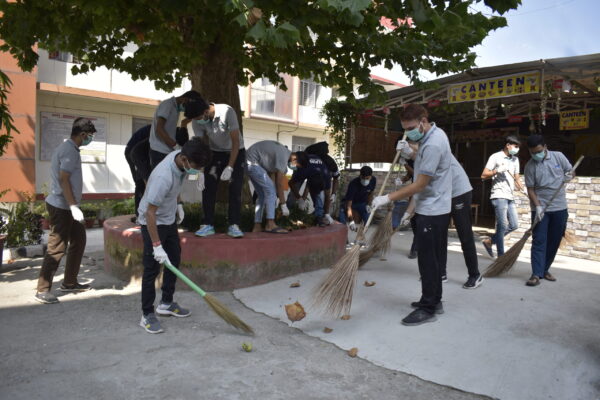
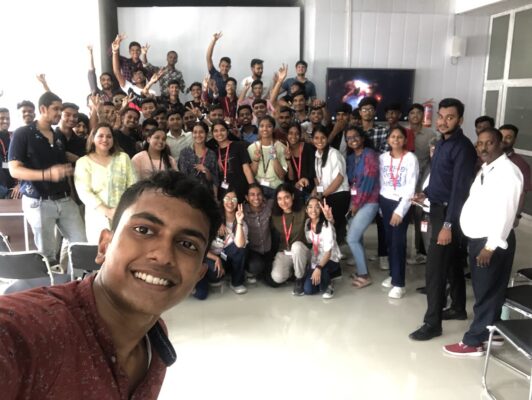
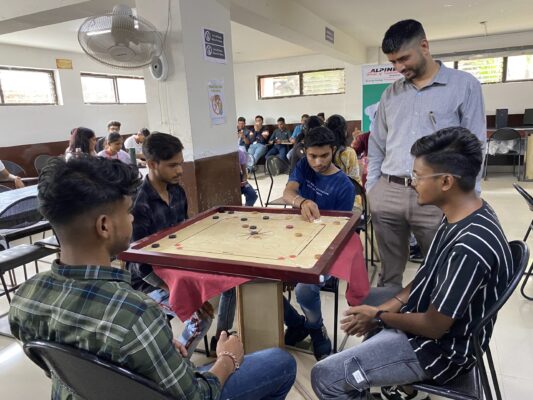
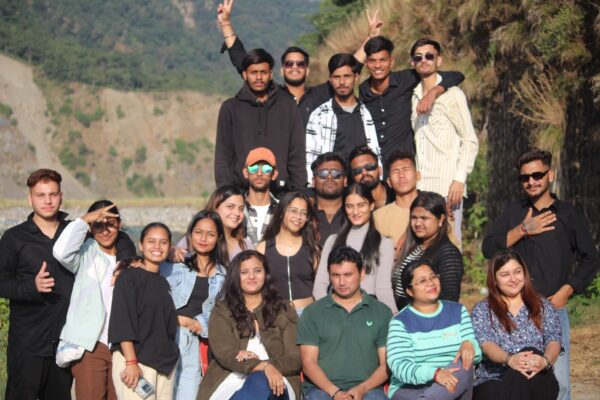
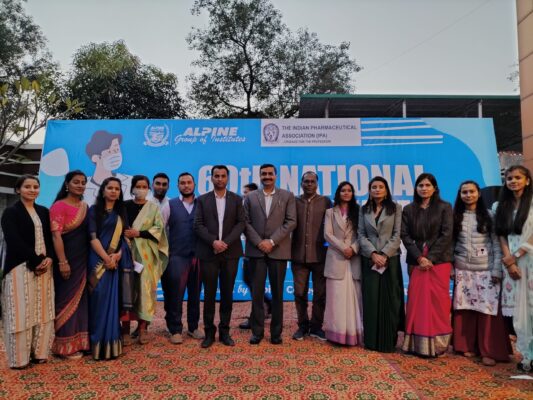
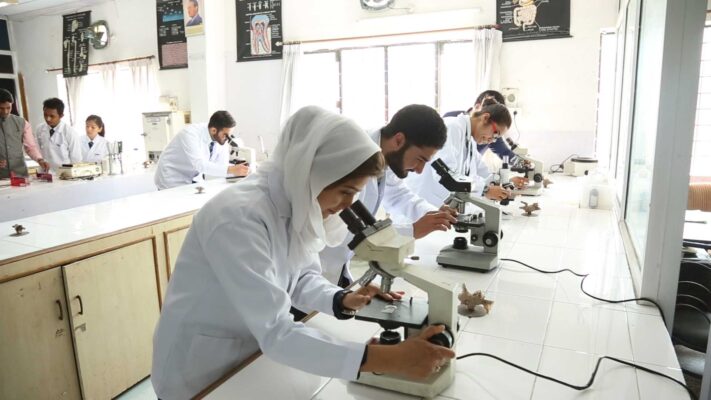
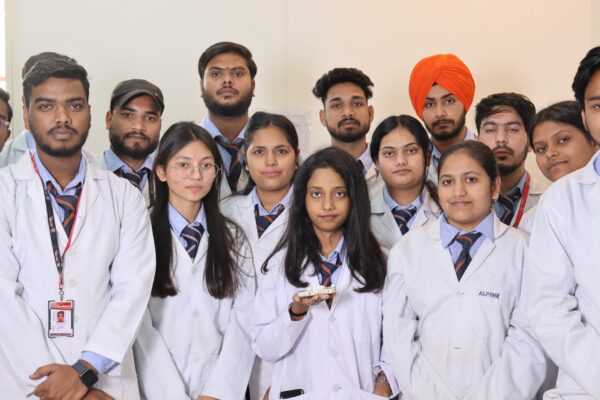
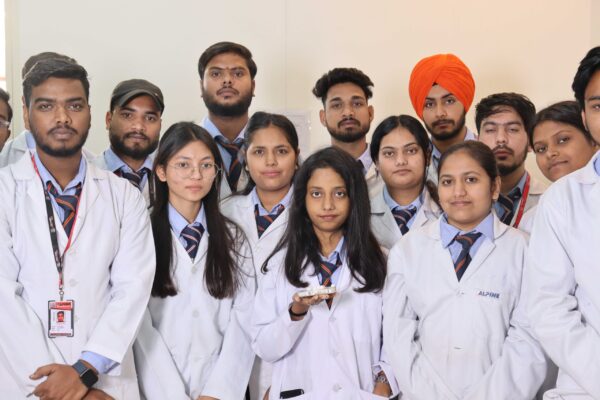
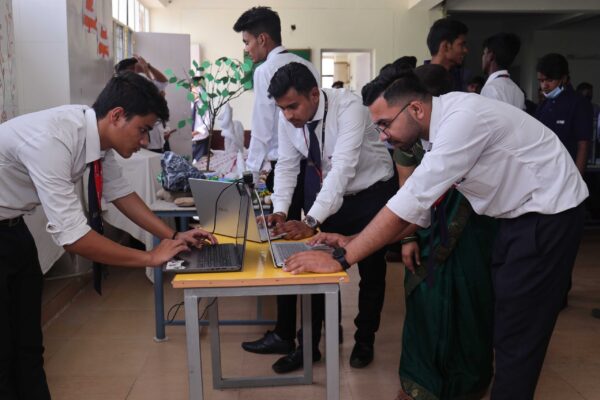
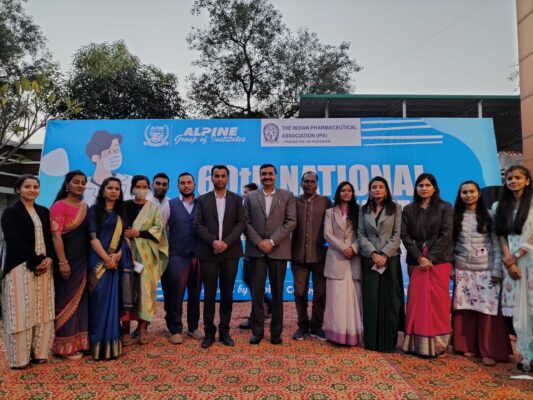
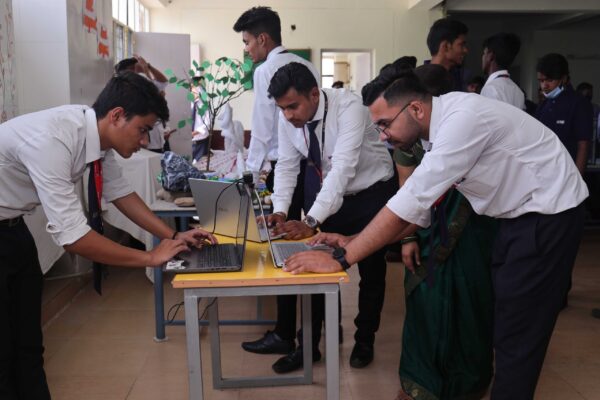
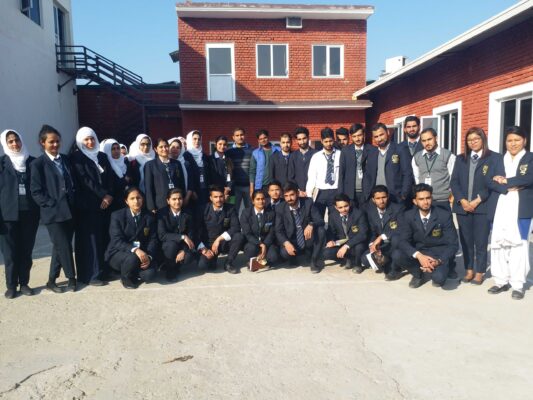
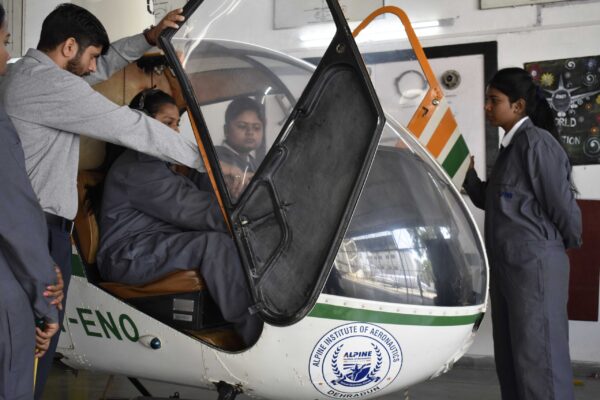
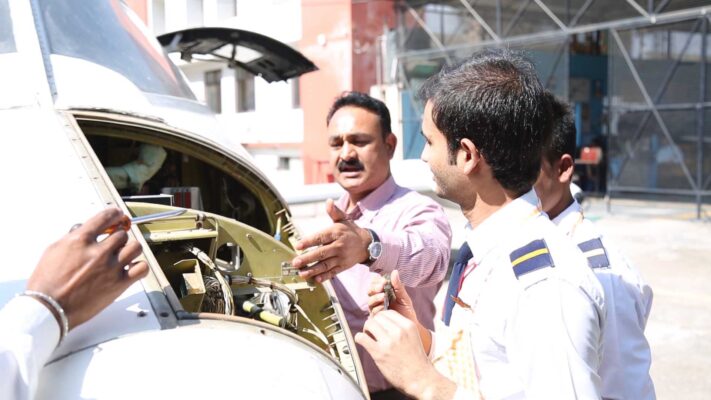
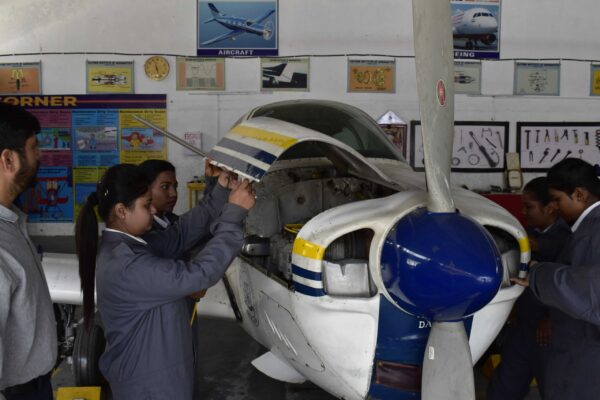
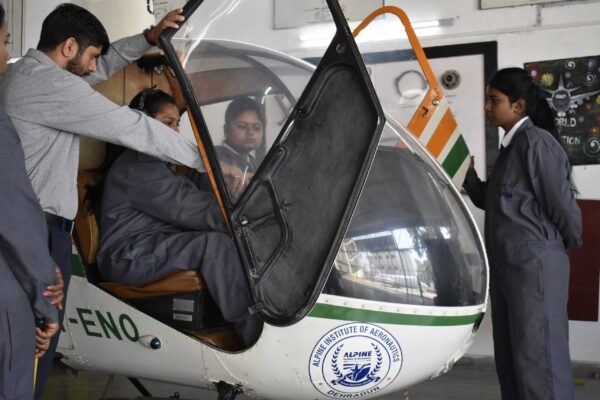
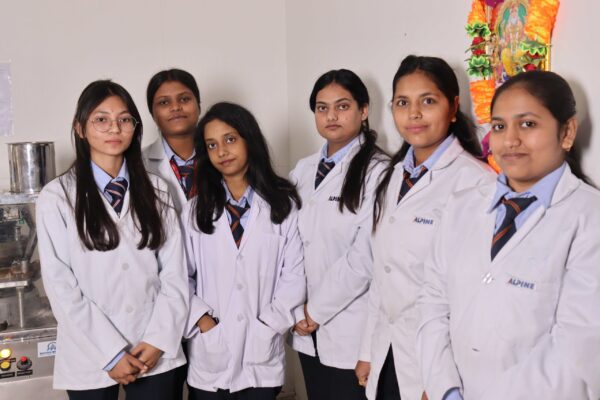
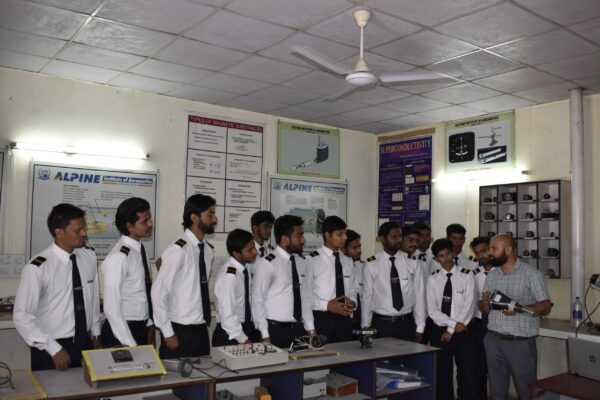
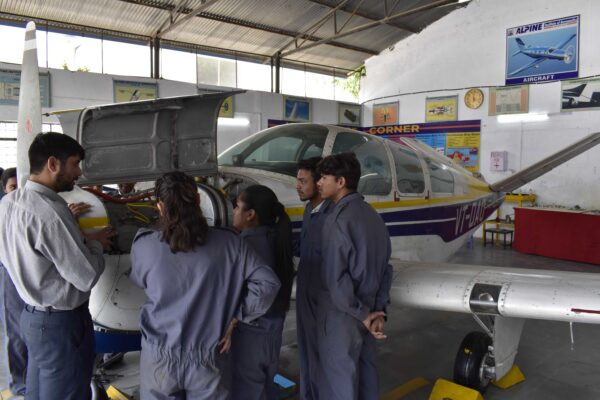
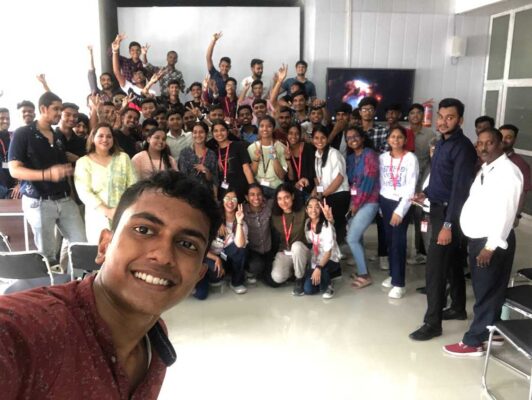
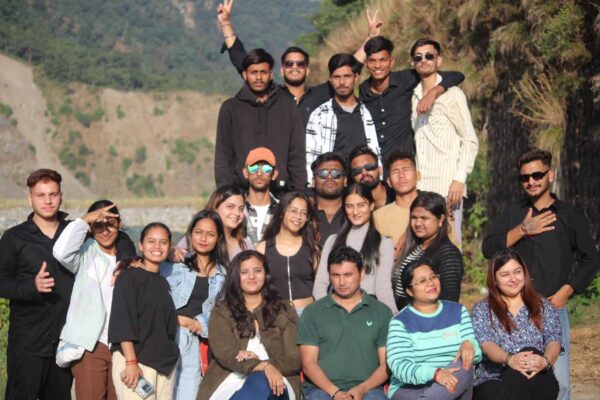
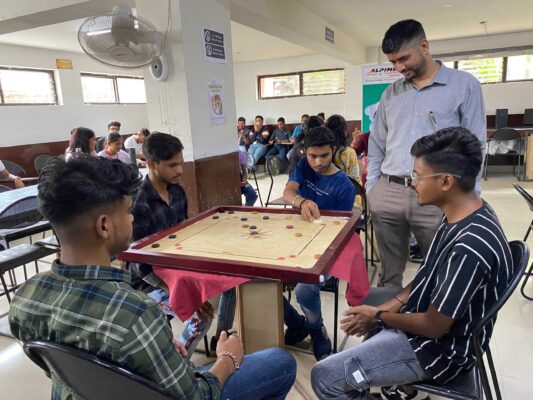
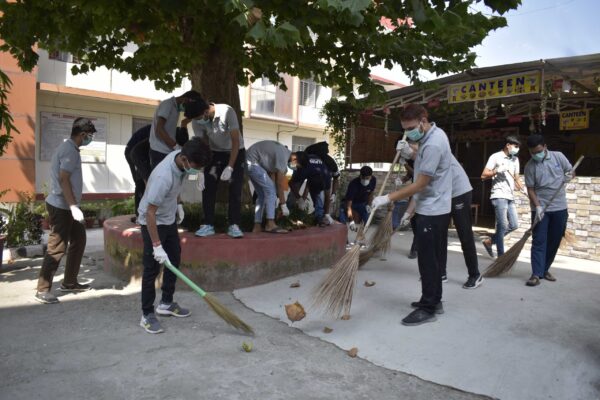
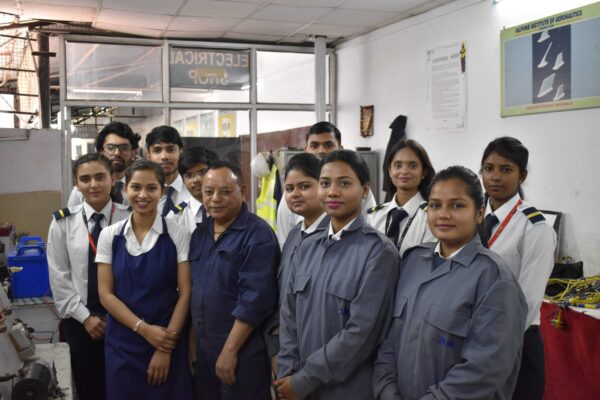
Life as a B.Tech in Aeronautical Engineering student at Alpine Group of Institutes is a blend of rigorous academics and exciting hands-on experiences. Students engage in designing, testing, and innovating aircraft systems while participating in workshops on UAVs, propulsion systems, and aerodynamics. The vibrant campus life includes technical fests, industry visits, and expert sessions, fostering holistic growth and preparing them for high-flying careers in aviation and aerospace.
Download Brochure
Top National Recruiters
Hindustan Aeronautics Limited (HAL)
Indian Space Research Organisation (ISRO)
Defense Research and Development
Organisation (DRDO)
National Aerospace Laboratories (NAL)
Bharat Electronics Limited (BEL)
Air India Engineering Services Limited (AIESL)
Tata Advanced Systems
Mahindra Aerospace
Airlines in India (Indigo, SpiceJet, Air India, etc.)
Skyroot Aerospace
AgniKul Cosmos
Bellatrix Aerospace.
Our Proud Alumni
Animesh Banerjee
Jameson
Mritunjay Chaudhary
Lakshmi S. Nath
Pasan Pavan Kalyan
Rahul Jaiswal
Shivam Kumar
Yadhika Ghatani
Curriculum
Semester | Code | Subject |
I Semester | 101 | Financial Accounting I |
102 | Ethics & Corporate Social Responsibility | |
103 | Business Communication | |
104 | Introduction to Aviation Industry | |
105 | English Language | |
106 | Basics of Computer | |
II Semester | 201 | Human Resource Management |
202 | Business Statistics | |
203 | French Language | |
204 | Environment Studies | |
205 | Airport Functions of Airlines | |
206 | Physical and Health Wellness | |
207 | Introduction to Aeronautics |
III Semester | 301 | Micro Economics |
302 | Financial Accounting II | |
303 | Airport Strategic Planning | |
304 | People Management | |
305 | Understanding of Interpersonal Skills | |
306 | Passenger/Customer Behavior | |
IV Semester | 401 | Entrepreneurship development |
402 | Constitution of India | |
403 | Air Ticketing Management | |
404 | Management Accounting | |
405 | Management & Organizational Behavior | |
406 | Interview Skills |
V Semester | 501 | Internship |
502 | Logistics and Air Cargo Management & Handling | |
503 | Macro Economics | |
504 | Aviation Safety & Security Management | |
505 | Leading & Team Work | |
506 | Elective -1 (Paper-1) or Elective- II (Paper-II) | |
VI Semester | 601 | Airline Customer Service |
602 | Value Education | |
603 | Business Law | |
604 | Aviation Law, Aircraft Rules & Regulations’ | |
605 | Employability Skills | |
606 | Elective -1 (Paper-1) or Elective- II (Paper-II) |
VII Semester | 701 | Decisional Techniques for Managers |
702 | E-commerce | |
703 | Research Methodology | |
704 | Aircraft Maintenance Management | |
705 | Elective -1 (Paper-1) | |
706 | Elective- II (Paper-II) | |
VIII Semester | 801 | Services Marketing for Aviation Industry |
802 | International Business | |
803 | Strategic Management for Aviation | |
804 | Dissertation with Internship | |
805 | Digital Marketing |
Photo Library
Crafting careers, fueling dreams. Where learning meets adventure, everyday.
Frequently Asked Questions
Question 1: What is B.Tech in Aeronautical Engineering?
- B.Tech in Aeronautical Engineering is a four-year undergraduate engineering program that focuses on the design, development, testing, manufacturing, and maintenance of aircraft and aviation systems. The course covers aerodynamics, propulsion, aircraft structures, avionics, and flight mechanics.
Question 2: How is Aeronautical Engineering different from Aerospace Engineering?
Aeronautical Engineering deals with aircraft operating within Earth’s atmosphere, such as airplanes, helicopters, and drones. Aerospace Engineering includes aeronautical engineering and also covers spacecraft, rockets, satellites, and systems operating beyond Earth’s atmosphere.
Question 3: What is the duration of the B.Tech Aeronautical Engineering course at Alpine College, Dehradun?
- The B.Tech in Aeronautical Engineering course at Alpine College, Dehradun is a 4-year full-time undergraduate program divided into 8 semesters.
Question 4: What are the eligibility criteria for admission to B.Tech Aeronautical Engineering?
- Candidates must have passed 10+2 with Physics, Chemistry, and Mathematics (PCM) from a recognized board. A minimum aggregate percentage as prescribed by the institute is required. Admission may be based on entrance exams or merit, depending on the admission policy.
Question 5: Which entrance exams are accepted for Aeronautical Engineering admission?
- Admissions may be offered through national-level engineering entrance examinations such as JEE Main, state-level entrance tests, or the institute’s own admission process, subject to eligibility requirements.
Question 6: What subjects are taught in B.Tech Aeronautical Engineering?
The course generally includes subjects such as Engineering Mathematics, Engineering Physics, Aerodynamics, Aircraft Structures, Propulsion Systems, Avionics, Flight Mechanics, Aircraft Design, Aircraft Maintenance, and Computational Methods.
Question 7: What practical training facilities are available at Alpine College?
Students receive practical exposure through laboratories, workshops, aircraft systems training, simulation tools, industrial visits, projects, and internship opportunities related to aviation and aerospace technology.
Question 8: What skills are required to succeed in Aeronautical Engineering?
Important skills include a strong understanding of mathematics and physics, analytical thinking, problem-solving ability, attention to detail and technical communication skills.
Question 9: What career opportunities are available after B.Tech in Aeronautical Engineering?
Graduates can work as Aeronautical Engineers, Aircraft Design Engineers, Aircraft Maintenance Engineers (after obtaining required licenses), Flight Test Engineers, Avionics Engineers, Production Engineers, Quality Assurance Engineers, and Research Engineers in aviation and aerospace sectors.
Question 10: What is the scope of Aeronautical Engineering in India?
India offers opportunities in organizations such as HAL, ISRO, DRDO, NAL, Air India Engineering Services, airline MRO companies, defense aviation organizations, and private aerospace companies. The growth of the drone and UAV industry has further increased career prospects.
Question 11: What is the average salary after B.Tech in Aeronautical Engineering?
Fresh graduates in India generally receive salary packages ranging from ₹5 LPA to ₹15 LPA, depending on skills, specialization, internships, and employer. Higher salaries are possible with experience, advanced skills, and research or managerial roles.
Question 12: Why choose Alpine College, Dehradun for B.Tech in Aeronautical Engineering?
Alpine College offers a specialized aviation-focused environment with experienced faculty, practical training facilities, industry-oriented curriculum, project-based learning, internship support, and exposure to aeronautical technologies, helping students build strong technical and professional foundations for careers in aviation and aerospace.
Question 13: Does Alpine College provide placement assistance for B.Tech Aeronautical Engineering students?
Yes. Alpine College provides placement assistance through its training and placement cell. Students receive support in aptitude training, technical interview preparation, soft-skill development, resume building, and campus placement activities with aviation, aerospace, manufacturing, and engineering companies.
Question 14: What are the placement opportunities after completing B.Tech in Aeronautical Engineering from Alpine College?
Students can explore opportunities in aircraft manufacturing companies, airline maintenance organizations, aerospace companies, defense aviation organizations, drone and UAV companies, research organizations, and engineering service firms. Placement opportunities depend on academic performance, technical skills, internships, and industry requirements.
Question 15: What is the average placement package for Aeronautical Engineering students?
The salary package varies depending on the employer, job role, skills, and interview performance. Fresh graduates generally receive entry-level packages in the range of ₹6 LPA to ₹15 LPA, while higher packages may be offered for specialized roles and strong technical profiles.
Question 16: Are internships included in the B.Tech Aeronautical Engineering program?
Yes. Students are encouraged to undertake internships, industrial training, projects, workshops, and industry visits during the course to gain practical exposure to aircraft systems, manufacturing processes, maintenance practices, and aviation technologies.
Question 17: Does Alpine College provide hostel facilities for B.Tech students?
Yes. Alpine College offers hostel facilities for both boys and girls. The hostels are designed to provide a safe and comfortable residential environment for students coming from different states and regions.
Question 18: What facilities are available in the hostel?
Hostel facilities generally include furnished rooms, Wi-Fi/internet access, study areas, dining/mess facilities, purified drinking water, electricity backup, security and wardens, housekeeping support, recreational facilities, and medical assistance as per hostel rules.
Question 19: What is the hostel fee for B.Tech Aeronautical Engineering students at Alpine College?
Hostel fees may vary depending on room type, occupancy, and facilities provided. Students are advised to contact the admission office or hostel administration for the latest hostel fee structure and availability.
Question 20: Are scholarships or financial assistance available for B.Tech Aeronautical Engineering students?
Yes. Eligible students may apply for scholarships, merit-based concessions, government scholarship schemes, or other financial assistance programs subject to institute norms and applicable eligibility criteria.
Question 21: How can I apply for admission to B.Tech Aeronautical Engineering at Alpine College?
Candidates can apply through the official Alpine College admission process by submitting the application form, academic documents, entrance exam details (if applicable), and other required information. Students may also contact the admission office for counseling and guidance regarding eligibility, fees, hostel, and placement support.