

B.Tech in Aeronautical Engineering – Alpine Group Of Institutes
2025-11-14 13:13B.Tech in Aeronautical Engineering – Alpine Group Of Institutes

Join the Best
Aeronautical Engineering
College in India
Join the
Best Aeronautical Engineering
College in India
->30+ Years of Legacy
->100% Placements from the past 15 years
->90 LPA Highest Package
->Govt University Affiliated College
30+ Years of Legacy
100% Placements from the past 15 years
90 LPA Highest Package
Govt University Affiliated College
Request a Callback
Complete the form below,
and our team will reach out to you.
Aeronautical Engineering
Aeronautical Engineering is a specialized branch of engineering that focuses on the design, development, and maintenance of aircraft and spacecraft. It encompasses a wide range of topics, including aerodynamics, propulsion, avionics, materials science, and structural analysis. Aeronautical engineering is a subset of aerospace engineering that focuses specifically on the design, development, and maintenance of aircraft within Earth's atmosphere. Aerospace engineering, on the other hand, is a broader field that includes both aeronautical engineering and astronautical engineering, which deals with spacecraft and space exploration. While aeronautical engineers work primarily on airplanes, helicopters, and other atmospheric vehicles, aerospace engineers may also work on rockets, satellites, and space missions, encompassing a wider range of aerospace technologies.
Aeronautical Engineering Course Details
Eligibility Criteria:
Educational Qualifications:
- Candidates must have completed their 10+2 education with Physics, Chemistry, and Mathematics.
- Minimum percentage requirements vary by institution but typically range from 50% to 60% in aggregate.
Admission Process:
Enrollment:
- Register and enroll.
Counseling:
- Based on entrance exam scores, candidates will participate in centralized counseling for seat allocation.
Document Verification:
- Submit required documents (mark sheets, certificates, etc.) for verification.
Seat Allotment:
- Once allocated a seat, candidates must confirm admission by paying fees.
Course Structure:
Duration:
Typically 4 years, divided into 8 semesters.
Subjects:
Core Subjects:
Aerodynamics, Aircraft Structures, Propulsion, Flight Mechanics, Control Systems, Avionics.
Electives:
Advanced topics in aerospace, robotics, materials science, etc.
Practical Training:
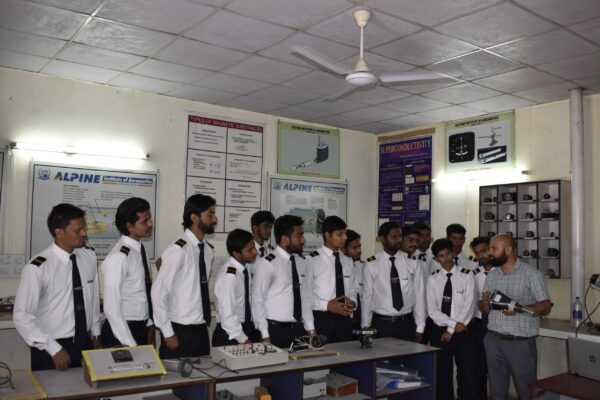
Labs and workshops focusing on hands-on skills.
Projects:
Involvement in real-time projects and internships to gain practical experience.
Career Opportunities
Aerospace Industry:
Employment in aircraft manufacturing companies (Boeing, Airbus, HAL).
Defense:
Opportunities in defense research organizations (DRDO, ISRO).
Research and Development:
Work in R&D sectors of various aerospace companies or academic institutions.
Government Jobs:
Civil Aviation Department, Air Force, and other government agencies.
Higher Studies:
Pursue M.Tech, MBA, or Ph.D. for advanced roles or research positions.
Skills Required
Technical Skills:
Proficiency in mathematics and physics, understanding of engineering principles.
Software Proficiency:
Knowledge of CAD software (AutoCAD, CATIA) and simulation tools.
Analytical Skills:
Ability to analyze data and solve complex problems.
Teamwork and Communication:
Work effectively in teams and communicate technical concepts clearly.
Salary Expectations After Aeronautical Engineering
Job Title | Salary Range (INR) |
Aeronautical Engineer (Entry-Level) | ₹4,980,000 – ₹6,640,000 |
Aeronautical Engineer (Mid-Level) | ₹6,640,000 – ₹8,300,000 |
Senior Aeronautical Engineer | ₹8,300,000 – ₹12,450,000 |
Aerospace Systems Engineer | ₹7,470,000 – ₹10,790,000 |
Aerospace Design Engineer | ₹6,640,000 – ₹9,960,000 |
Aerospace Manufacturing Engineer | ₹5,810,000 – ₹8,300,000 |
Aerospace Project Manager | ₹7,470,000 – ₹11,620,000 |
Aerospace Research Engineer | ₹7,885,000 – ₹12,450,000 |
Notes:
- These ranges are approximate and based on typical industry standards.
- Salaries may vary depending on specific job requirements, location, and the company.
The upper end of the salary ranges is typically seen in top aerospace companies, defense contractors, or highly specialized roles.
Eligibility Criteria:
Educational Qualifications:
- Candidates must have completed their 10+2 education with Physics, Chemistry, and Mathematics.
- Minimum percentage requirements vary by institution but typically range from 50% to 60% in aggregate.
Admission Process:
Register and Enroll
- Register and enroll yourself
Counseling:
- Candidates will participate in centralized counseling for seat allocation.
Document Verification:
- Submit required documents (mark sheets, certificates, etc.) for verification.
Seat Allotment:
- Once allocated a seat, candidates must confirm admission by paying fees.
Course Structure:
Duration:
Typically 4 years, divided into 8 semesters.
Subjects:
Core Subjects:
Aerodynamics, Aircraft Structures, Propulsion, Flight Mechanics, Control Systems, Avionics.
Electives:
Advanced topics in aerospace, robotics, materials science, etc.
Practical Training:
Labs and workshops focusing on hands-on skills.
Projects:
Involvement in real-time projects and internships to gain practical experience.
Career Opportunities
Aerospace Industry:
Employment in aircraft manufacturing companies (Boeing, Airbus, HAL).
Defense:
Opportunities in defense research organizations (DRDO, ISRO).
Research and Development:
Work in R&D sectors of various aerospace companies or academic institutions.
Government Jobs:
Civil Aviation Department, Air Force, and other government agencies.
Higher Studies:
Pursue M.Tech, MBA, or Ph.D. for advanced roles or research positions.
Skills Required
Technical Skills:
Proficiency in mathematics and physics, understanding of engineering principles.
Software Proficiency:
Knowledge of CAD software (AutoCAD, CATIA) and simulation tools.
Analytical Skills:
Ability to analyze data and solve complex problems.
Teamwork and Communication:
Work effectively in teams and communicate technical concepts clearly.
Salary Expectations After Aeronautical Engineering
Job Title | Salary Range (INR) |
Aeronautical Engineer (Entry-Level) | ₹4,980,000 – ₹6,640,000 |
Aeronautical Engineer (Mid-Level) | ₹6,640,000 – ₹8,300,000 |
Senior Aeronautical Engineer | ₹8,300,000 – ₹12,450,000 |
Aerospace Systems Engineer | ₹7,470,000 – ₹10,790,000 |
Aerospace Design Engineer | ₹6,640,000 – ₹9,960,000 |
Aerospace Manufacturing Engineer | ₹5,810,000 – ₹8,300,000 |
Aerospace Project Manager | ₹7,470,000 – ₹11,620,000 |
Aerospace Research Engineer | ₹7,885,000 – ₹12,450,000 |
Notes:
- These ranges are approximate and based on typical industry standards.
- Salaries may vary depending on specific job requirements, location, and the company.
The upper end of the salary ranges is typically seen in top aerospace companies, defense contractors, or highly specialized roles.
Curriculum
Semester | Code | Subject |
I Semester | 101 | Financial Accounting I |
102 | Ethics & Corporate Social Responsibility | |
103 | Business Communication | |
104 | Introduction to Aviation Industry | |
105 | English Language | |
106 | Basics of Computer | |
II Semester | 201 | Human Resource Management |
202 | Business Statistics | |
203 | French Language | |
204 | Environment Studies | |
205 | Airport Functions of Airlines | |
206 | Physical and Health Wellness | |
207 | Introduction to Aeronautics |
III Semester | 301 | Micro Economics |
302 | Financial Accounting II | |
303 | Airport Strategic Planning | |
304 | People Management | |
305 | Understanding of Interpersonal Skills | |
306 | Passenger/Customer Behavior | |
IV Semester | 401 | Entrepreneurship development |
402 | Constitution of India | |
403 | Air Ticketing Management | |
404 | Management Accounting | |
405 | Management & Organizational Behavior | |
406 | Interview Skills |
V Semester | 501 | Internship |
502 | Logistics and Air Cargo Management & Handling | |
503 | Macro Economics | |
504 | Aviation Safety & Security Management | |
505 | Leading & Team Work | |
506 | Elective -1 (Paper-1) or Elective- II (Paper-II) | |
VI Semester | 601 | Airline Customer Service |
602 | Value Education | |
603 | Business Law | |
604 | Aviation Law, Aircraft Rules & Regulations’ | |
605 | Employability Skills | |
606 | Elective -1 (Paper-1) or Elective- II (Paper-II) |
VII Semester | 701 | Decisional Techniques for Managers |
702 | E-commerce | |
703 | Research Methodology | |
704 | Aircraft Maintenance Management | |
705 | Elective -1 (Paper-1) | |
706 | Elective- II (Paper-II) | |
VIII Semester | 801 | Services Marketing for Aviation Industry |
802 | International Business | |
803 | Strategic Management for Aviation | |
804 | Dissertation with Internship | |
805 | Digital Marketing |
Top Recruiters
Life at Alpine
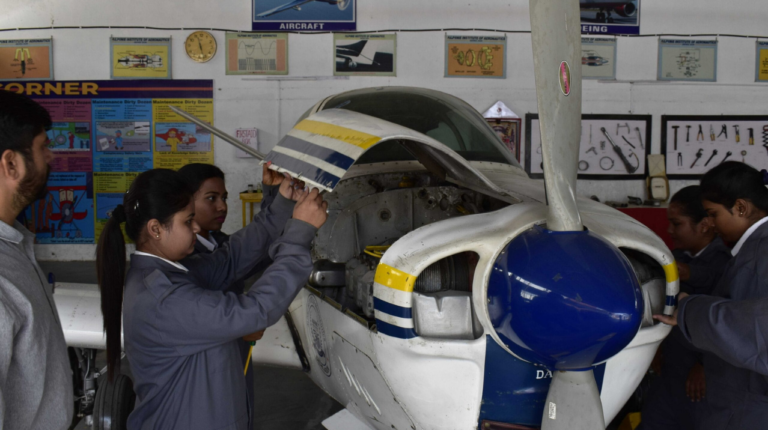
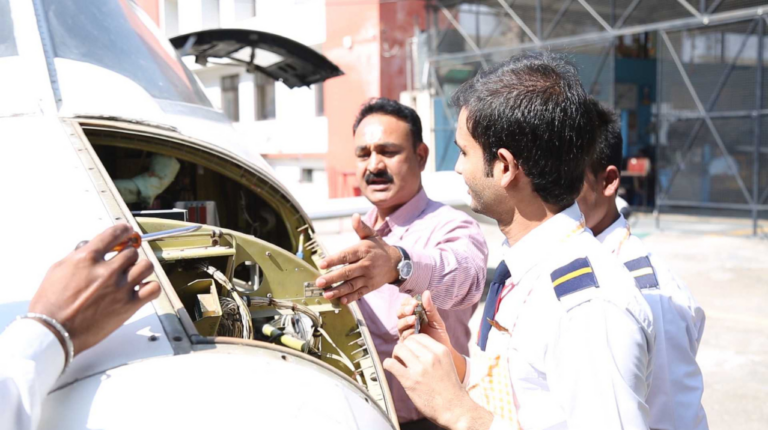
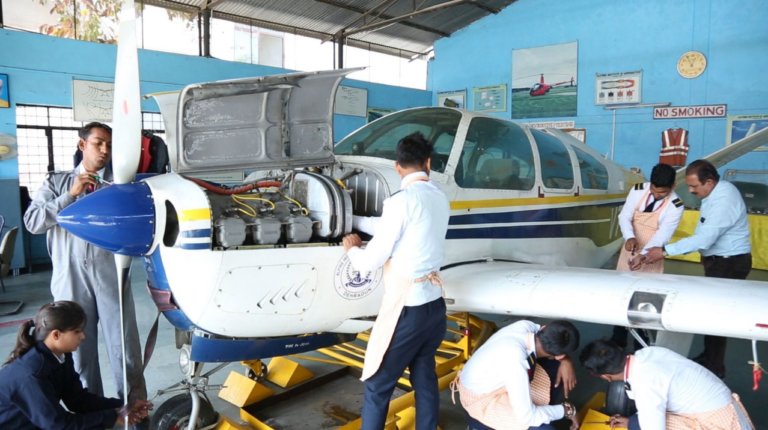
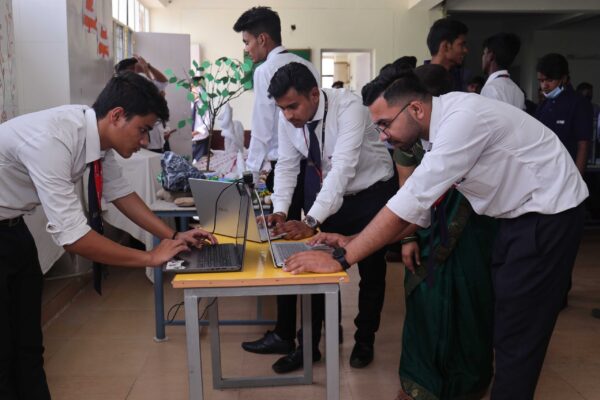
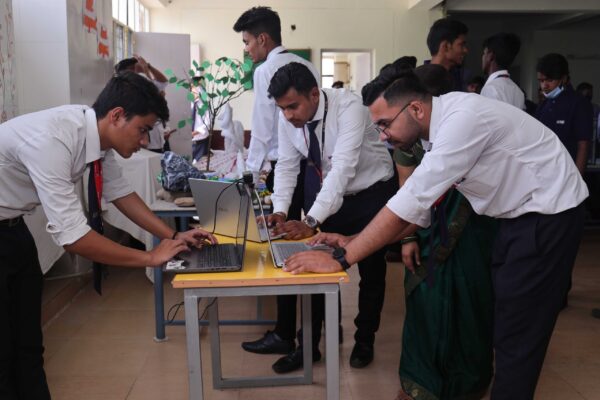
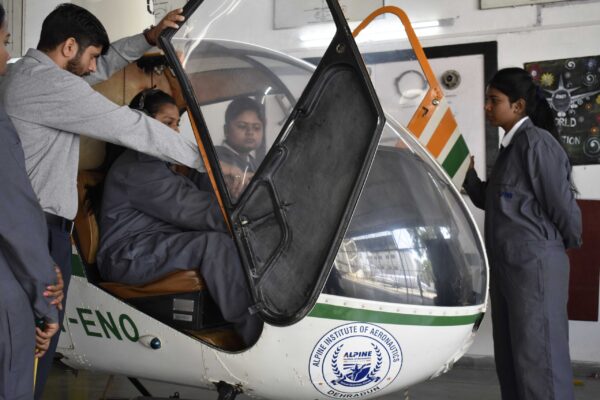
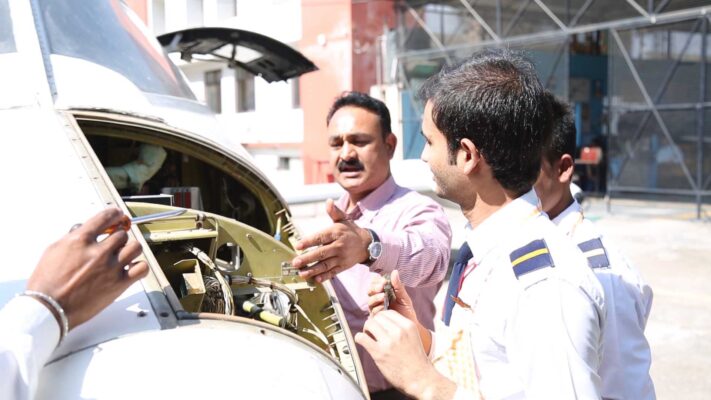
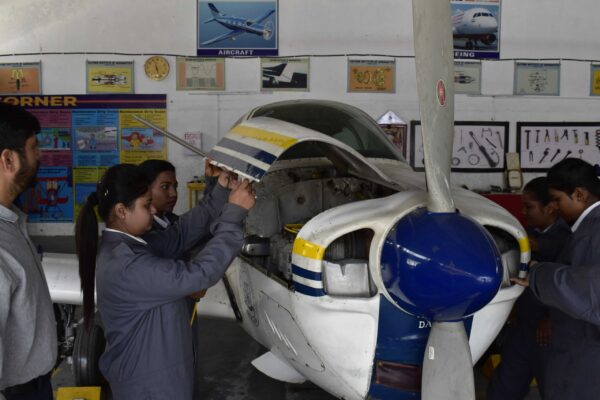
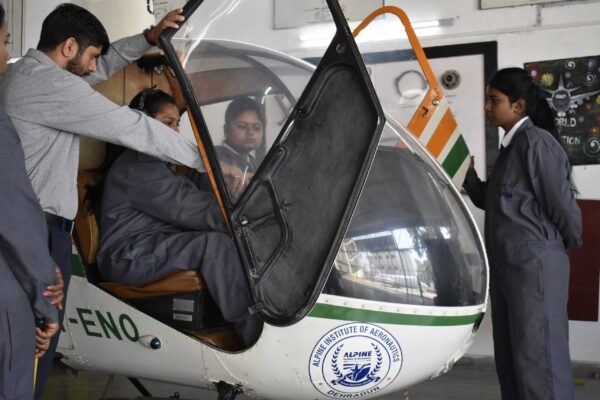
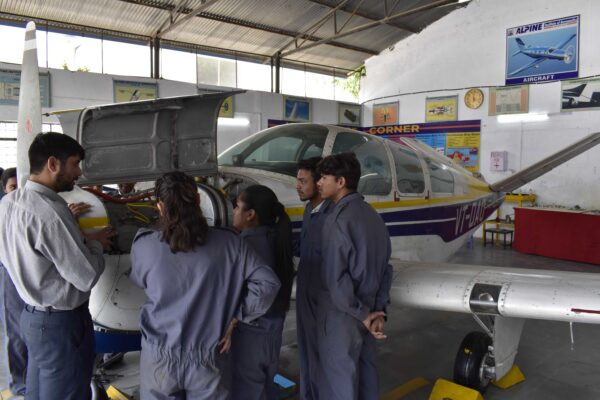
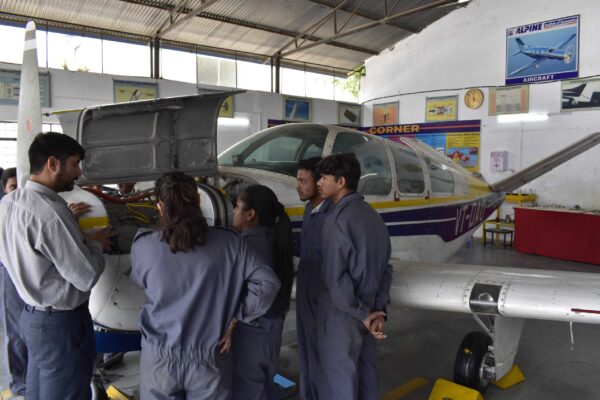
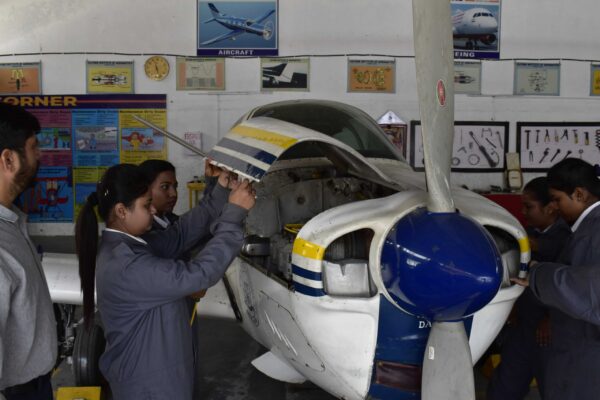
Dive into the thrilling world of aviation maintenance, where each day is an exciting hands-on adventure with the latest technology and real aircraft. Our expertly designed program seamlessly blends theory with practical training, propelling you towards your dream of becoming a certified AME.


Our Proud Alumni
Animesh Banerjee
Jameson
Mritunjay Chaudhary
Lakshmi S. Nath

Scholarship 2026
You may be eligible to receive a scholarship covering up to 100% of your tuition fees, as offered by the college. For more details you may fill the enquiry form or call us and one of the best counselors from the college will connect you.
Photo Library
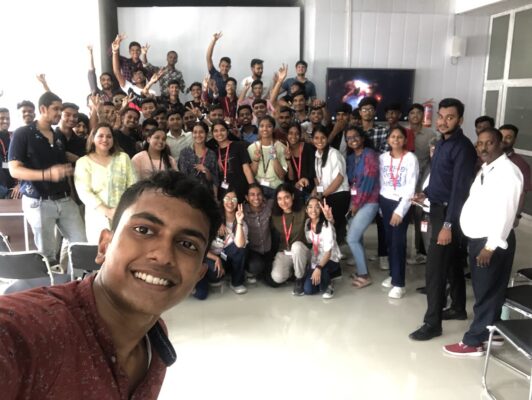
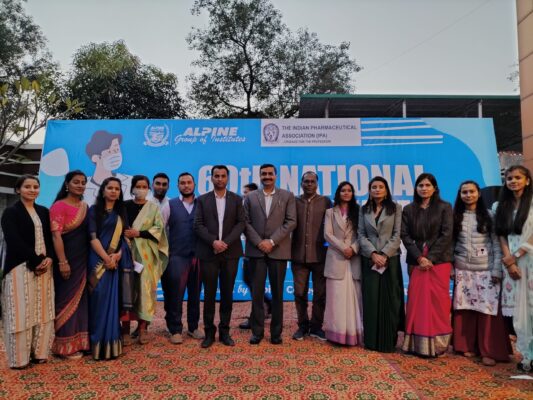
Crafting careers, fueling dreams. Where learning meets adventure, everyday.


Photo Library
Crafting careers, fueling dreams. Where learning meets adventure, everyday.
Frequently Asked Questions
Question 1: What is Aeronautical Engineering, and how is it different from Aerospace Engineering?
- Aeronautical Engineering focuses on designing, developing, testing, and maintaining aircraft that operate within Earth’s atmosphere (e.g., airplanes, helicopters, drones).
Aerospace Engineering includes aeronautical engineering and extends to spacecraft and systems operating beyond Earth’s atmosphere (e.g., satellites, rockets).
Question 2 : What are the eligibility criteria for B.Tech in Aeronautical Engineering?
- Academic Requirements:
- Candidates must complete 10+2 with Physics, Chemistry, and Mathematics (PCM) as core subjects.
- A minimum of 50%-60% aggregate marks is typically required (may vary by institute).
- Entrance Exams:
- National-level exams like JEE Main, JEE Advanced, or state-level engineering entrance tests are commonly accepted. Some private universities also conduct their own entrance exams.
Question 3 : What skills are required for success in Aeronautical Engineering?
- Strong foundation in mathematics and physics.
- Proficiency in technical software tools like CATIA, MATLAB, and ANSYS.
- Analytical and problem-solving abilities for designing and troubleshooting systems.
- Interest in aerodynamics, propulsion systems, and emerging technologies like UAVs and green aviation.
Question 4 : What is the scope of Aeronautical Engineering in India and abroad?
- In India: Opportunities exist in government organizations like ISRO, HAL, DRDO, and NAL, as well as private firms like Tata Aerospace and Mahindra Aerospace. The demand for UAV and drone technologies is also rising.
- Abroad: Aeronautical engineers can explore roles in companies like Boeing, Airbus, SpaceX, and NASA. Global focus on sustainable aviation and space exploration has increased demand for skilled professionals.
Question 5 : What is the average salary of an Aeronautical Engineer?
- In India, entry-level salaries range from ₹5 LPA to ₹15 LPA, depending on the role and employer.
- With experience, salaries can grow significantly, especially in R&D and managerial roles.
- In International markets, the average annual salary is around $70,000 to $100,000, depending on qualifications and location.
Alpine Group Of Institutes © 2025. All rights reserved.